Choosing between porcelain and composite veneers depends on the condition of your teeth, the changes you want, and the look you want. Porcelain veneers in Etobicoke are thin shells placed over the front of the teeth. Composite veneers use a tooth-coloured material that is shaped directly on the teeth. Both can improve the colour, shape, or size of teeth and hide small imperfections. However, they differ in appearance, strength, treatment duration, and the care they require.
Understanding these differences can help you have a clearer idea of which option may suit your smile and dental needs.
What Are Porcelain and Composite Veneers?
Porcelain veneers are thin, custom-made coverings designed to fit over the front of a tooth. They are made outside the mouth and then bonded to the tooth.
Composite veneers are made from a tooth-coloured resin that is applied and shaped directly on the tooth. The material is then hardened and polished.
Both types may be used to improve concerns such as:
- Small chips or worn edges
- Uneven tooth shapes
- Mild gaps between teeth
- Certain types of tooth discolouration
- Teeth that appear smaller or uneven
The right choice depends on your teeth, oral health, and the type of change you want to achieve.
How Do Porcelain and Composite Veneers Differ?
The biggest differences are related to the material, appearance, treatment process, and care.
Porcelain veneers:
- Usually have a smooth, natural-looking appearance.
- They are more resistant to staining than composite resin.
- Are made to match the planned shape and shade of the smile
- Usually, a dental laboratory is required to create the veneers.
Composite veneers:
- Can often be completed in fewer appointments
- They are shaped directly on the teeth.
- May require less tooth preparation in some cases
- They can usually be repaired or adjusted more easily if damaged.
A dentist near you can assess your teeth and explain how these differences may affect your treatment.
Which Veneer Material Looks More Natural?
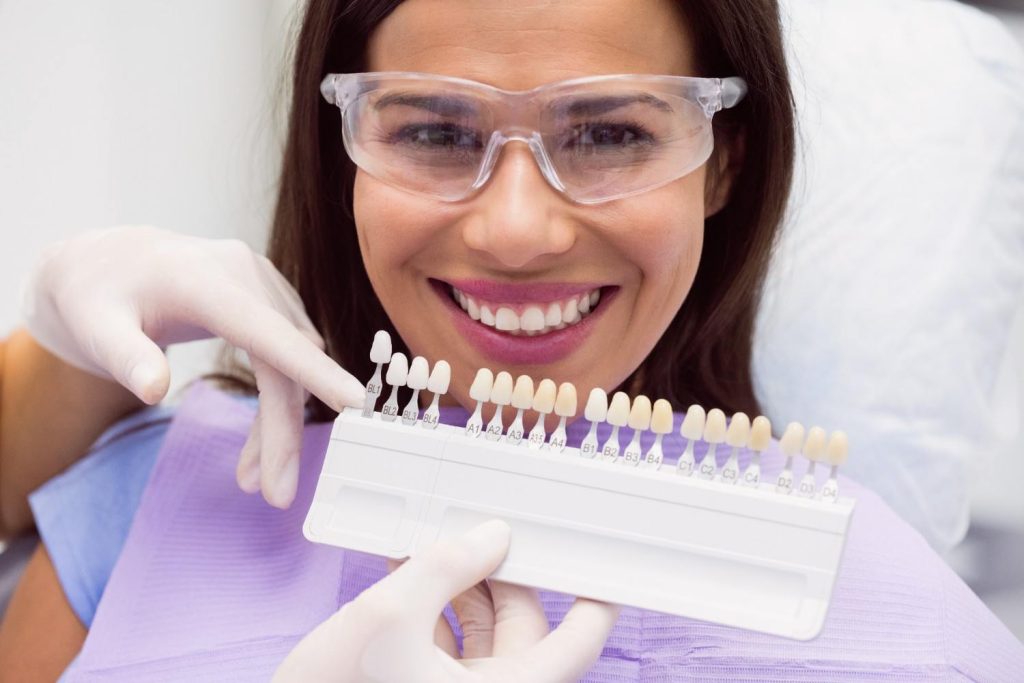
Both materials can be made to look natural when they are carefully planned and matched to the surrounding teeth. Porcelain has a smooth surface that can reflect light in a way similar to natural enamel.
Composite resin can also be shaped and polished to create a natural appearance. However, it may be more likely to pick up stains or lose its polish over time.
If appearance is your main concern, porcelain veneers near you may be worth discussing with a dental professional. The final result also depends on the shape, shade, size, and placement of the veneers.
How Long Do Porcelain and Composite Veneers Last?
The lifespan of either type can vary depending on oral hygiene, eating habits, bite pressure, and daily habits. Neither option should be considered permanent.
Porcelain veneers generally have good resistance to staining and wear when properly cared for. Composite veneers may need polishing, repair, or replacement sooner in some cases.
To help protect either type of veneer:
- Brush twice a day with a soft toothbrush.
- Clean between the teeth every day.
- Avoid biting very hard objects.
- Do not use the teeth to open packages.
- Attend regular dental checkups.
Good daily care can help maintain the appearance and condition of your veneers.
What Should You Consider Before Getting Veneers?
Veneers are not suitable for every dental concern. Teeth and gums should be assessed before treatment to check for problems that may need attention first.
A dentist in Etobicoke may consider factors such as:
- Tooth decay or damaged teeth
- Gum health
- Tooth position and shape
- Bite and how the teeth meet
- The amount of tooth structure available
- Your desired change in appearance
Veneers cover only the front of the tooth and may not fix every dental problem. A dental checkup can help you know if veneers are right for you or if another treatment may be better.
How Do You Choose Between Porcelain and Composite Veneers?
There is no single option that is right for every smile. Porcelain may be considered when a person wants a highly polished appearance and stronger resistance to staining. Composite may be suitable when a more direct and potentially simpler treatment approach is preferred.
The right choice depends on your teeth, the look you want, and the care you may need later. A dental checkup can help you understand the options and choose the right one for you.
Make an Informed Choice for Your Smile!
Both porcelain and composite veneers can improve the look of your teeth, but they have different benefits and care needs. A dental checkup can help you understand which option suits your teeth, the look you want, and your needs.
Book an appointment with Gustavo Denture & Implant Centre to discuss the changes you would like to make, explore your veneer options, and find out which treatment may be suitable for your smile.
FAQs
Are porcelain veneers better than composite veneers?
Neither is better for everyone. Porcelain is usually more stain-resistant, while composite veneers are often easier to repair. The right choice depends on your teeth and goals.
Are composite veneers cheaper than porcelain veneers?
They may cost less in some cases. The total cost depends on how many teeth are treated and the care you need.
Can veneers fix crooked teeth?
Veneers can improve the look of slightly uneven teeth, but they do not move teeth. More serious alignment problems may need braces or clear aligners.
Can veneers stain?
Porcelain veneers are more resistant to stains. Composite veneers can stain over time, especially with coffee, tea, tobacco, and other staining foods or drinks.