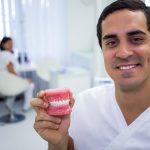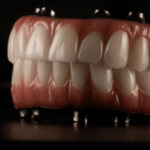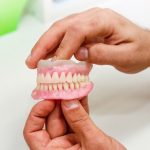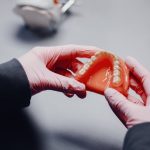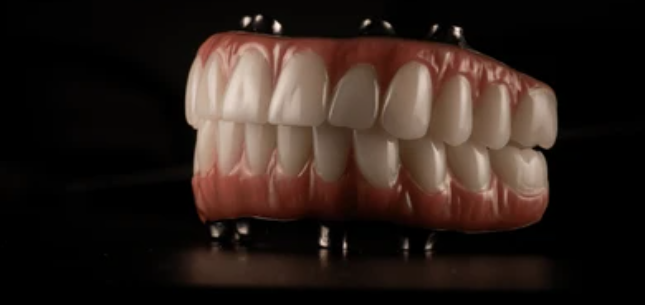
Flexible dentures can be a good alternative to regular acrylic partial dentures, but they may not suit everyone. They are made from soft, bendable plastic that fits around the gums and may feel lighter when worn. Regular acrylic dentures are harder and may have metal parts to help keep them in place. A flexible denture assessment in Etobicoke can help find the right option based on how many teeth are missing, gum health, bite, and daily needs. Both types of dentures can replace missing teeth, make chewing easier, and improve the look of your smile. However, they differ in comfort, fit, appearance, repair, and how long they can be used.
What Are Flexible Dentures?
Flexible dentures near you are removable appliances made from a soft, flexible plastic. They are designed to replace one or more missing teeth without relying on a fully rigid acrylic base.
Some flexible partial dentures use gum-coloured clasps that fit around nearby natural teeth. This can make them less noticeable than metal clasps used in some standard partial dentures.
Valplast-type dentures are one example of flexible dentures. They are made from a flexible nylon-based material and are shaped to fit the mouth.
What Are Standard Acrylic Partial Dentures?
Standard acrylic partial dentures have a firm plastic base that holds replacement teeth in place. They may include metal clasps or other supports to help keep the denture stable.
These dentures are often used as a removable option for replacing several missing teeth. They can also be adjusted or repaired in many cases, depending on the damage and the denture design.
A dentist in Etobicoke can assess whether an acrylic partial is suitable based on the remaining teeth and the condition of the gums.
Flexible Dentures vs Acrylic Partials: Key Differences
Both types of dentures replace missing teeth, but they are made differently.
Material: Flexible dentures are made from soft, bendable plastic, while regular acrylic dentures have a hard plastic base.
Appearance: Flexible clasps may blend with the gum color. Acrylic partials may have visible metal clasps, depending on their design.
Comfort: Flexible dentures may feel lighter and adapt to the shape of the gums. However, comfort depends on the fit and the condition of the mouth.
Stability: Some acrylic dentures may stay in place more securely and provide greater support. Flexible dentures may not fit or stay steady as well for everyone.
Repairs: Acrylic dentures are usually easier to fix or adjust. Flexible dentures may need special repairs, and serious damage may require a replacement.
Cleaning: Both types of dentures need to be cleaned every day to remove plaque and prevent gum irritation.
The right choice depends on how well the denture fits and supports your teeth and gums, not just how soft it feels.
Flexible Denture Pros and Cons
Before choosing a comfortable partial denture, it helps to understand the benefits and limits of flexible materials.
Possible benefits:
- Flexible material may feel less bulky for some wearers.
- Gum-coloured clasps can make the denture less noticeable.
- The material can bend slightly when placed or removed.
- It may suit people who prefer an option without visible metal clasps.
Possible drawbacks:
- Repairs and adjustments may be more difficult.
- The material may not provide enough support in some cases.
- It may be harder to add replacement teeth later.
- Poor cleaning or an incorrect fit can still cause gum irritation.
It may not be suitable when several teeth are missing or strong support is needed.
A denturist in Etobicoke can explain these differences and help assess whether a flexible or acrylic design is more suitable.
How to Care for Flexible and Acrylic Partial Dentures
Good daily care helps keep either type of denture clean and comfortable.
Follow these basic steps:
- Remove and clean the denture as instructed.
- Use a denture brush and a cleaner recommended for its material.
- Avoid hot water, which can change the shape of some dentures.
- Clean natural teeth and gums every day.
- Handle the denture carefully to prevent damage.
- Attend regular dental visits to check the fit and condition of the supporting teeth.
Do not use ordinary toothpaste unless advised to do so, as some products may scratch denture surfaces.
How to Choose the Right Partial Denture
The right option depends on the number and position of missing teeth, the health of the remaining teeth, the condition of the gums, and the bite.
A flexible denture near you may be a good option if you want a natural look and a softer feel. However, an acrylic partial denture may be better if you need more support, easier repairs, or the ability to make future changes.
A dentist near you can examine the mouth, explain the available designs, and discuss the expected costs and care needs before a decision is made.
Find a Partial Denture That Fits Your Needs
Choosing between flexible and acrylic partial dentures involves more than appearance. The right design should fit securely, support daily activities, and suit the health of the remaining teeth and gums. Contact Dental Denture & Implant Centre to discuss your options, have your needs assessed, and learn which type of partial denture may be suitable for you.
FAQs
Do flexible dentures feel more comfortable than acrylic dentures?
They may feel lighter or less bulky for some people. However, comfort depends on the fit, design, and condition of the gums.
Can flexible dentures replace many missing teeth?
Yes, flexible dentures can replace several missing teeth. The right option depends on where the teeth are missing and how many natural teeth are left.
Are flexible dentures difficult to repair?
Yes, they can be harder to repair than regular dentures. They require specialized repair methods, and some damage may necessitate a new denture.
Can flexible dentures be worn all day?
They may be worn during the day as directed, but they should be removed and cleaned according to professional instructions. Follow the recommended schedule for wearing and removing them.