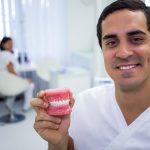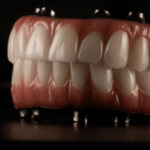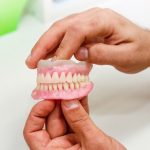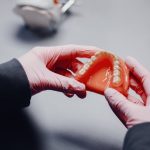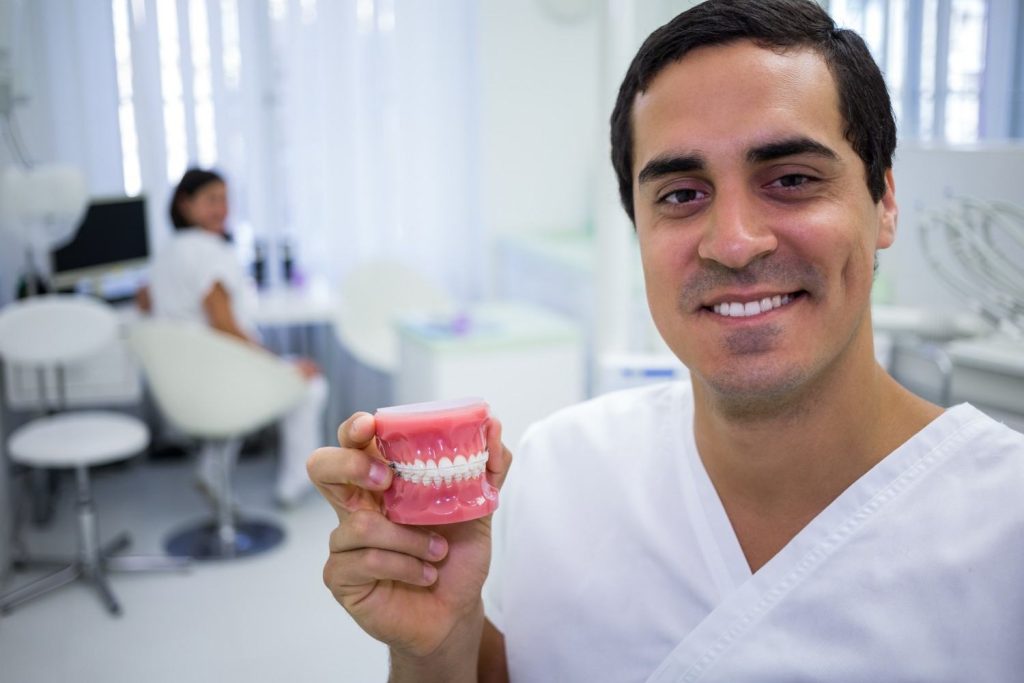
An immediate denture in Etobicoke is a removable replacement for missing teeth that is placed on the same day the natural teeth are removed. It helps fill gaps in your smile as your gums begin to heal. Before extraction day, measurements and impressions are usually taken so the denture can be made in advance. This means you do not have to wait for your gums to heal before receiving replacement teeth.
On the day of treatment, your teeth are removed and your dentures are placed. Some pain, swelling, and changes in how the dentures fit are normal while your mouth heals. Knowing what to expect can help you prepare for the first few days. Visit your dentist for follow-up checks so they can ensure your dentures fit well and adjust them as needed.
What Happens on the Day Your Teeth Are Removed?
The process usually involves several steps. The exact plan depends on how many teeth need to be removed and your oral health.
- Final checks: The dental team reviews the treatment plan and confirms which teeth need to be removed.
- Tooth removal: Local anaesthesia is used to help control pain during the extraction.
- Denture placement: The immediate denture is placed over the gums after the teeth are removed, as planned.
- Fit and comfort checks: Instructions are provided on how to wear and care for the denture, including when to return for a review.
If you are receiving dentures the same day as extraction, remember that the denture may feel bulky or unfamiliar at first. It can take time to adjust to speaking and eating with it.
What Should You Expect During Immediate Denture Healing?
The gums and bone change shape as the extraction sites heal. Swelling and tenderness may occur during the first few days, and the denture may feel loose as the swelling goes down.
To support immediate denture healing:
- Follow the instructions about how long to keep the denture in place after extraction.
- Eat soft foods and avoid chewing hard or sticky items at first.
- Take prescribed or recommended pain relief only as directed.
- Clean the denture and mouth according to the dental team’s instructions.
- Attend follow-up appointments to check healing and fit.
Do not adjust or trim the denture yourself. Contact the dental team if it causes sharp pain, rubbing, or sores.
How Are Immediate Denture Adjustments Done?
As your gums heal, they may shrink and change shape. Your dentist may need to adjust the dentures or add a soft liner to help them fit better. These changes can reduce rubbing and make the dentures more comfortable while your mouth heals.
A dentist near you can check sore areas, assess how the denture sits, and explain when further changes may be needed. Several visits may be required, especially during the first few months.
Seek prompt dental advice if pain becomes worse, swelling increases, bleeding does not settle, or the denture causes a persistent sore. Trouble breathing or swallowing, or rapidly increasing swelling, needs emergency medical attention.
Immediate vs Conventional Dentures: What Is the Difference?
Both types replace missing teeth, but they are used at different times.
- Immediate dentures: These dentures are fabricated before your teeth are removed and placed in your mouth on the same day. They help you have teeth while your mouth heals. However, they may need more changes as your gums heal and change shape.
- Conventional dentures: Made and fitted after the gums have healed. This allows the denture to be designed around the healed gum shape, although the process means spending time without the final denture unless another temporary option is used.
An immediate denture near you may suit someone who wants replacement teeth straight after extraction. The choice depends on oral health, treatment goals, and whether immediate placement is suitable.
How Can You Prepare for Extraction Day?
- A little preparation can make the first few days easier.
- Arrange transport if sedation or other medicines could affect your ability to drive.
- Prepare soft foods such as soup, mashed vegetables, yoghurt, and scrambled eggs.
- Keep the denture-care instructions and dental contact details nearby.
- Ask when the denture should be removed for cleaning and when the first review is scheduled.
A dentist in Etobicoke can explain the expected healing process and what to do if the denture feels uncomfortable at home.
Take the Next Step Toward a Smoother Denture Transition!
Getting used to immediate dentures takes time, and the right guidance can make the adjustment easier. From preparing for extraction day to managing soreness and keeping your denture comfortable, each stage of recovery matters. Contact Dental Denture & Implant Centre to discuss your denture options, understand what to expect during healing, and plan follow-up visits to check the fit. With the right care and professional support, you can work toward greater comfort as your mouth heals and adjusts to your new dentures.
FAQs
Can immediate dentures be fitted on the same day as tooth removal?
Yes. They are made in advance and placed after the planned teeth are removed, provided this approach is suitable for the case.
How long should immediate dentures stay in after tooth removal?
Follow your dentist’s instructions. Sometimes, you need to keep the dentures in for the first 24 hours to protect the areas where the teeth were removed and help control swelling. Do not take them out early unless your dentist tells you to.
Can you eat normally with immediate dentures?
Not at first. Start with soft foods and small bites. As your mouth heals and feels better, you can slowly try more foods. Avoid hard or sticky foods while your mouth is healing.
How long does it take to get used to immediate dentures?
It takes different amounts of time for each person to get used to immediate dentures. Talking, chewing, and comfort may get better over a few weeks. Your gums may keep changing for several months. Regular dentist visits help keep your dentures fitting well.