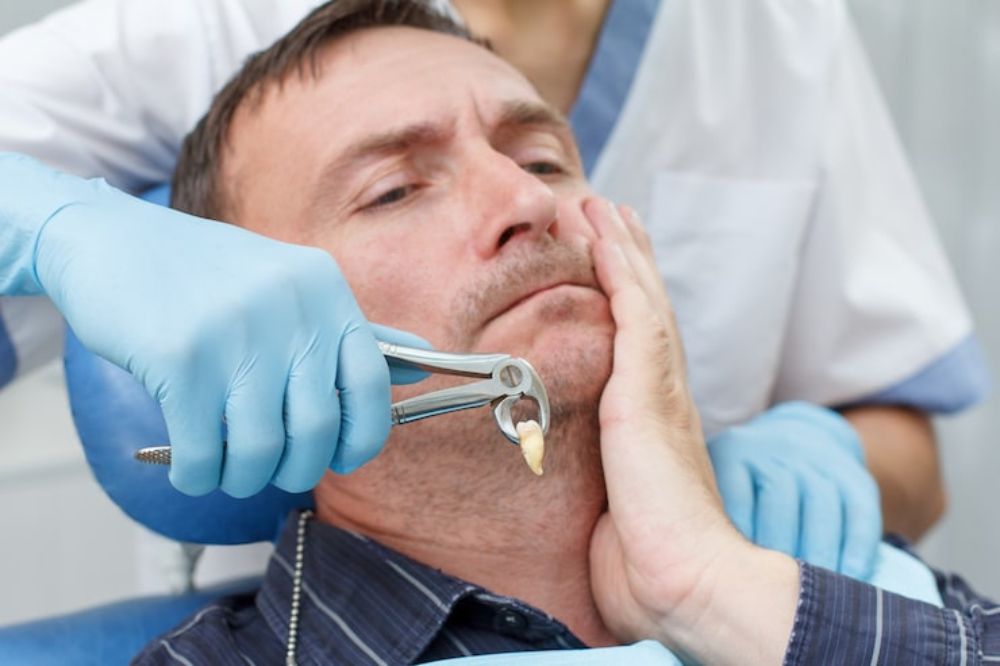
Getting a tooth pulled brings relief from pain. But once the extraction is done and the healing begins, a new question comes up for many patients—do I need to replace this tooth?
The answer is almost always yes. And for many patients, a dental implant is the best long-term solution available.
If you have recently had or are preparing for tooth extractions in Etobicoke, understanding the signs that point toward an implant helps you plan ahead and protect your oral health for years to come.
Why Replacing an Extracted Tooth Matters
Many people assume that once a tooth is removed, the problem is solved. But the gap left behind creates its own set of problems over time.
When a tooth is missing:
- The jawbone in that area begins to shrink because there is no root stimulating it
- Neighbouring teeth start to drift toward the empty space
- The tooth above or below the gap begins to over-erupt—moving out of its normal position
- Your bite changes, placing extra stress on the remaining teeth
- The face can begin to look slightly sunken in that area over time
A dental implant addresses all of these concerns by replacing both the visible tooth and — most importantly — the root beneath it.
Signs You May Need a Dental Implant After Extraction
You Had a Single Tooth Removed in a Visible Area
If the extracted tooth was in the front of your mouth or anywhere that shows when you smile or speak, the case for an implant is strong.
In front of your mouth, a missing tooth will influence how you look and feel about yourself and your smile. An implant is such a good replacement for your own tooth that most people can’t tell the difference.
Your Jawbone Is Still Healthy
Immediately after an extraction — or shortly after — the jawbone is still at its strongest. This is actually the best time to consider an implant because the bone available to support it is at its fullest density.
Waiting too long after an extraction allows bone loss to progress. The more bone that is lost, the more complex — and costly — the implant process becomes. If you want to avoid bone grafting later, acting sooner is always the better choice.
A dentist near you can assess shortly after extraction whether your bone is ready to support an implant right away.
You Are Having Difficulty Chewing Comfortably
If you are avoiding certain foods, chewing only on one side, or feeling discomfort where the tooth was removed, your mouth is telling you something important.
A missing tooth disrupts the natural balance of your bite. Over time, that imbalance wears down neighbouring teeth unevenly and can cause jaw pain or headaches. A dentist in Etobicoke can assess whether an implant would restore your bite to its natural, comfortable function.
Your Remaining Teeth Are Starting to Shift
You may notice this slowly — a slight change in how your teeth fit together when you bite, or a gap forming between teeth that were previously close together.
The tooth movement can happen much earlier than you may anticipate. It takes only a few months of having no replacement tooth for nearby teeth to move measurably. It can become an issue, and an orthodontic treatment may need to occur before an implant may be an option if teeth have already moved too much.
Seeking tooth extractions near you, follow-up care early helps your dental team monitor the area and recommend the right timing for implant placement.
You Are Unhappy With Denture or Bridge Options
Some patients try a partial denture or bridge after an extraction and find that neither feels quite right. Dentures can feel loose, require adhesives, and need to be removed daily. A bridge requires filing down healthy neighbouring teeth to serve as anchors.
If these alternatives feel like compromises you are not comfortable with, an implant offers something different — a standalone, permanent replacement that requires no special maintenance and feels just like a natural tooth.
What Makes a Good Implant Candidate After Extraction?
Not everyone is ready for an implant immediately after a tooth removal. Here is what your dental team will typically assess:
| Factor | What It Means for Implant Readiness |
| Jawbone density and volume | Sufficient bone is needed to anchor the implant securely |
| Gum health | Healthy gums reduce infection risk and support healing |
| Overall health | Conditions like uncontrolled diabetes can affect healing |
| Smoking history | Smoking significantly increases implant failure risk |
| Healing from extraction | The site needs to be sufficiently healed before placement |
Even if your situation is not ideal right away, steps like bone grafting and gum treatment can often prepare the area for a successful implant later on.
The Right Time to Ask Is Now — Dental Denture and Implant Center Is Here for You
Waiting too long after a tooth extraction makes implant treatment more complex and can lead to changes in your bite, bone, and neighbouring teeth that are difficult to reverse. The sooner you seek a professional assessment, the more options you have.
Here at the Dental Denture and Implant Center, each patient will receive careful and detailed consultation by the staff that truly believes in replacing missing teeth correctly. Schedule an appointment with us today and start toward a whole new, confident smile.
Frequently Asked Questions
How soon after an extraction can I get a dental implant?
In some cases, an implant can be placed immediately after extraction—in others, a healing period of two to six months is recommended depending on the condition of the bone and surrounding tissue.
What happens if I never replace an extracted tooth?
Over time, the jawbone shrinks, neighbouring teeth shift, and your bite changes—all of which can lead to further tooth loss, jaw pain, and increasingly complex dental treatment down the road.
Is a dental implant better than a bridge after extraction?
Implants are generally considered the superior long-term option because they replace the root, preserve bone, and do not require alteration of neighbouring teeth—though both options have their place depending on the patient’s situation.
Does the implant process hurt?
The placement procedure is done under local anesthetic so patients do not feel pain during surgery—mild soreness and swelling for a few days afterward are normal and manageable with over-the-counter pain relief.